
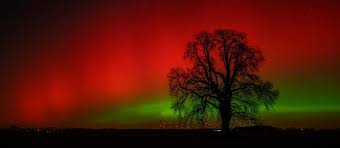
The Polar Lights, also known as the Aurora Borealis, are one of the most mesmerizing natural phenomena on Earth. You can see the Northern Lights in the high-latitude regions near the North and South Poles. They are an ethereal show of vibrant colors dancing across the sky. If you’ve ever wondered about the Northern Lights today, you’re in for a treat! You might also be curious if they are visible in your region. In this blog, we will explore the science behind this magical light show. We will also offer guidance on how you can witness it.
What Are Polarlichter (Northern Lights)?
The Polarlichter are a result of charged particles from the sun colliding with atoms in Earth’s atmosphere. This interaction releases energy in the form of light. The light is visible in various colors, including green, red, yellow, and even purple. These lights occur primarily in the auroral zone, which covers regions like parts of Canada, Alaska, Scandinavia, and Russia. The phenomenon is most prominent during the winter months, especially around the equinoxes when solar activity is at its peak.
Where to See Polarlichter Today
If you’re wondering where to experience Polarlichter today, there are certain places to visit. These places offer the best opportunities for witnessing the breathtaking display. The Nordic countries—Norway, Sweden, and Finland are renowned for their spectacular Northern Lights displays. Cities like Tromsø in Norway or Abisko in Sweden are famous for their clear skies. These cities are known for frequent Aurora Borealis sightings.
Parts of Canada and Alaska are prime locations to see this natural wonder. This is particularly true during the winter months when the nights are longest. If you’re planning a trip to see the Northern Lights, check the Aurora forecast. This updated tool can predict the best times for viewing based on solar activity.
Best Time to See the Northern Lights
Timing is key when it comes to seeing the Polarlichter heute. The Northern Lights can be seen year-round. They are most visible during the fall and winter months, from September to March. The dark skies, long nights, and clear conditions of these months create the perfect setting for an unforgettable aurora experience.
The best time to spot them is usually between 10 PM and 2 AM, although the exact timing can vary. You can check real-time aurora activity through websites or apps. These platforms track solar winds and geomagnetic conditions. This is a great way to increase your chances of seeing the lights.
What to Expect When Watching the Polarlichter
If you’re lucky enough to witness the Polarlichter today, expect a sight like no other. The lights are subtle glows or as dramatic, sweeping arcs across the sky. The colors can range from pale greens to vibrant reds. They can also be purples, depending on the altitude and type of gas involved in the reaction. While the show is breathtaking, it’s also fleeting often lasting anywhere from a few minutes to a couple of hours.
While the Northern Lights are typically visible during dark, clear nights, clouds and light pollution can interfere with the view. It’s recommended to go to areas far away from city lights for the best experience.
Why the Polarlichter Are So Fascinating
The Northern Lights aren’t just visually stunning; they have a deep cultural significance in many Arctic regions. Throughout history, Indigenous peoples have woven stories and legends around the aurora. For example, the Sami people of Scandinavia believed the lights were the spirits of their ancestors. In modern times, scientists continue to study the Aurora Borealis to better understand space weather and the Earth’s magnetic field.
Is the Polarlichter Today Visible in Your Area?
If you’re asking, “Are the Polarlichter today visible?” the answer depends on your location, the current solar activity, and the weather conditions. With the right preparation, though, you can increase your chances of seeing this natural wonder. Make sure to check local Aurora forecasts and plan your viewing experience in advance. Whether you’re traveling to remote Arctic locations, the Northern Lights are a sight worth chasing. You might also catch a glimpse from your own backyard.