
Twirl into Tradition: How to Make Real Italian Pasta at Home
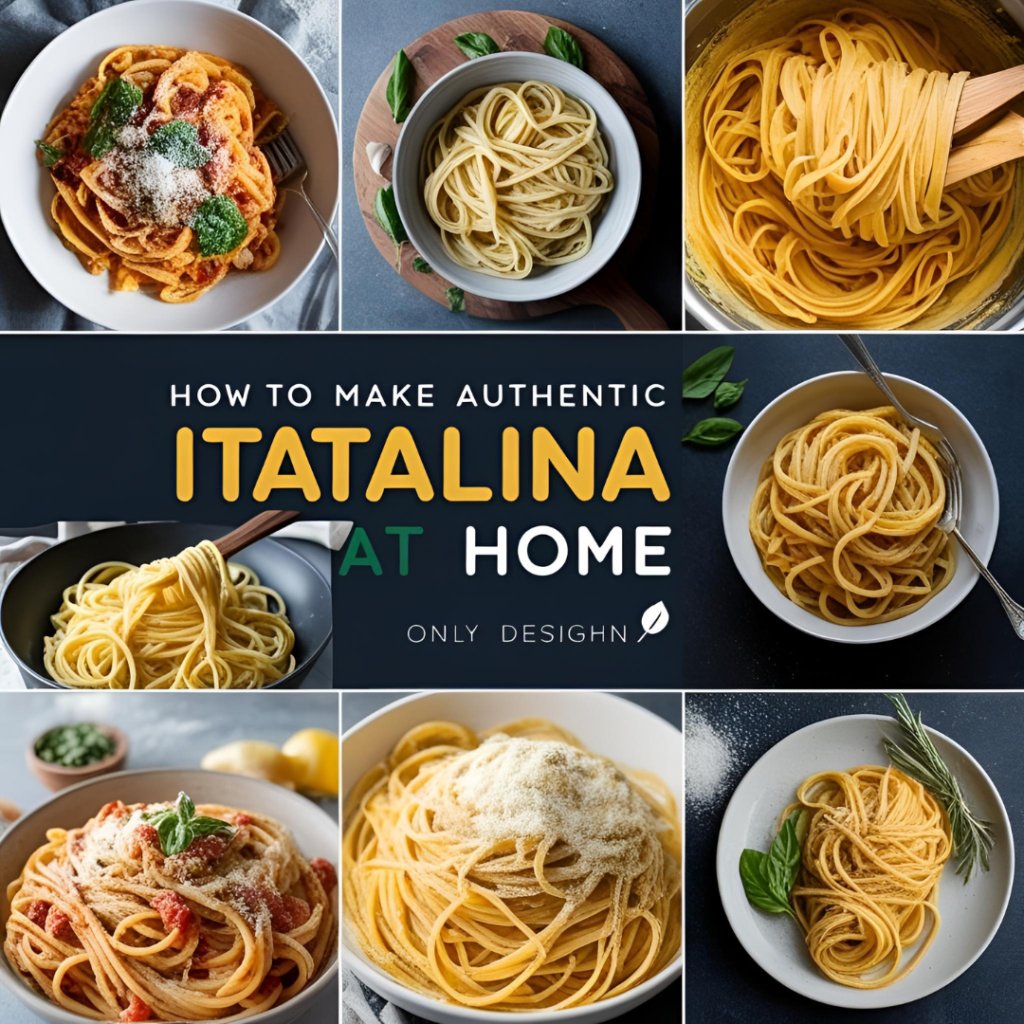
There’s something magical about the smell of fresh pasta cooking in the kitchen — the warm aroma of flour and eggs blending with bubbling sauces. It’s a scent that brings people together and sparks memories of cozy family dinners. But making pasta at home doesn’t need to be complicated. In fact, it can be a fun, hands-on activity for all ages. In this blog post, you’ll learn how to create authentic Italian pasta using simple, wholesome ingredients. You’ll also gain confidence in handling dough and sauces the Italian way — no shortcuts, just timeless tradition.
Italian pasta is much more than just a meal. It’s a reflection of culture, craftsmanship, and family. In Italy, pasta-making is often taught by grandparents to young children, forming part of the rhythm of daily life. Although store-bought pasta is quick and convenient, nothing compares to the texture and taste of homemade. Fresh pasta absorbs sauce better, holds its shape beautifully, and delivers a satisfying chew that boxed pasta often lacks.
To begin this culinary journey, let’s gather the basic ingredients. You only need two main items: flour and eggs. While some variations use semolina flour or water instead of eggs, we’ll start with the classic egg pasta recipe. All-purpose flour works perfectly for beginners, but if you want to go the extra mile, try using “00” flour, which is finer and gives a silkier dough. The general rule is 100 grams of flour per egg, which serves one person. So, if you’re cooking for four, you’ll need 400 grams of flour and four eggs.
On a clean surface, form the flour into a mound and create a well in the center. Crack the eggs into the well and gently beat them with a fork, gradually incorporating flour from the sides. As the mixture thickens, begin kneading with your hands. At first, it may feel sticky, but resist the urge to add too much extra flour. Keep kneading for about 10 minutes until the dough becomes smooth and elastic. Wrap it in plastic or a clean towel and let it rest for at least 30 minutes. This rest period allows the gluten to relax, making the dough easier to roll.
Now comes the fun part — rolling out the dough. You can use a pasta machine for precision or a rolling pin for a more rustic experience. Divide the dough into smaller portions and flatten each piece slightly. Start with the widest setting on your pasta machine and roll the dough through, folding and repeating the process several times. Then, gradually reduce the thickness setting until you reach the desired thinness. If rolling by hand, aim for a thickness that’s almost transparent when held up to the light.
Once your pasta sheets are ready, you can cut them into your favorite shapes. For tagliatelle or fettuccine, roll the sheet loosely into a log and slice it into ribbons. For lasagna, simply trim the sheet into rectangles. If you feel adventurous, try shaping farfalle (bowties) or orecchiette (little ears) by hand. Dust the cut pasta with flour to prevent sticking, and let it rest again for 10–15 minutes before cooking.
Fresh pasta cooks quickly — usually within 2 to 4 minutes in boiling, salted water. Keep a close eye on it and taste often to ensure it remains al dente, the ideal texture where pasta is tender yet slightly firm to the bite. Overcooking fresh pasta makes it mushy and masks its delicate flavor. Once cooked, drain the pasta and combine it immediately with your sauce of choice to avoid clumping.
Speaking of sauces, a good sauce complements the pasta without overpowering it. One of the most beloved Italian sauces is the simple tomato-based Marinara. Sauté garlic in olive oil, add crushed tomatoes, a pinch of salt, and fresh basil — let it simmer for 20 minutes. If you prefer a creamier option, go for Alfredo made with butter, heavy cream, and grated Parmesan cheese. For a richer taste, try Bolognese, a slow-cooked meat sauce that’s perfect with wider pasta like pappardelle.
Let’s not forget the vegetarian stars like Pesto Genovese, made with fresh basil, pine nuts, garlic, Parmesan, and olive oil. It’s green, vibrant, and full of flavor. Or experiment with brown butter and sage for a nutty, aromatic twist that pairs beautifully with stuffed pasta like ravioli. The secret to authentic Italian cooking lies in using fresh, seasonal ingredients — not in piling on spices or heavy cream.
Making pasta at home can also be a delightful family activity. Kids can help crack the eggs, knead the dough, and shape the pasta. It’s tactile, messy fun — and at the end, everyone gets to enjoy a meal made with their own hands. Just be sure to supervise during cutting and boiling to keep things safe. Cooking together encourages creativity and teaches valuable life skills, especially when meals are made from scratch.
If you’re short on time, you can make the dough in advance and store it. Wrap the fresh dough tightly and keep it in the refrigerator for up to two days. You can also freeze shaped pasta. Lay the pieces flat on a tray, freeze until firm, then transfer to a sealed container. When you’re ready to cook, drop the frozen pasta directly into boiling water — no thawing needed.
Don’t worry if your first batch isn’t perfect. Italian cooking isn’t about perfection — it’s about passion, tradition, and love. Each time you make pasta, you’ll develop a better feel for the dough, learn how thin you like it, and discover which sauces you enjoy the most. Experiment with adding herbs or spinach to the dough for color and flavor. Try stuffing ravioli with cheese, mushrooms, or pumpkin for special occasions. The possibilities are endless.
To further enrich your Italian pasta-making journey, consider exploring regional variations. In northern Italy, you’ll find a preference for stuffed pastas like tortellini and creamy sauces. Southern Italy, on the other hand, leans toward dried pasta and spicy tomato-based sauces. Central regions like Tuscany often celebrate rustic simplicity — a splash of olive oil, a sprinkle of pecorino, and you have a feast.
And what would pasta be without a sprinkle of freshly grated cheese? Whether it’s Parmigiano-Reggiano, Pecorino Romano, or Grana Padano, good cheese adds depth and umami. Avoid pre-grated options and opt for a small block that you can grate yourself. You’ll be surprised at how much difference it makes in both taste and aroma.
Finally, remember that Italian cuisine values quality over complexity. It’s not about fancy techniques or rare ingredients. It’s about honoring the process, being mindful of what goes into your food, and enjoying it with others. Even a second-grader can understand the joy of twirling fresh pasta around a fork — that simple pleasure is what real Italian cooking is all about.
So whether you’re cooking for yourself, your family, or inviting friends over for a pasta night, this guide gives you the tools to bring a little bit of Italy into your kitchen. With flour-dusted fingers and a full heart, you’ll soon find that making pasta at home isn’t just cooking — it’s creating something beautiful, bite by bite.