
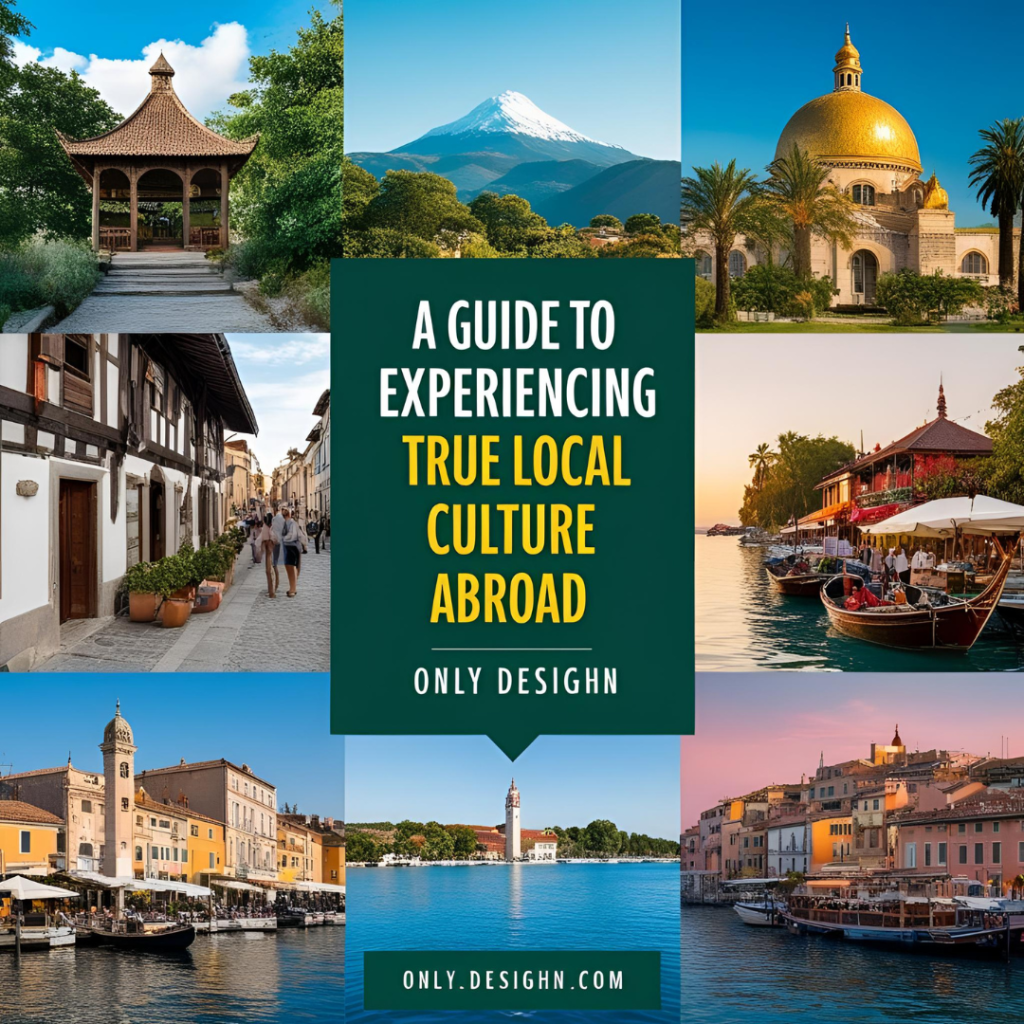
Live Like a Local: The Fun Way to Explore New Cultures Around the World!

Traveling abroad isn’t just about visiting famous landmarks or trying out new foods—it’s about connecting with people, understanding traditions, and becoming part of a different rhythm of life, even if only for a short while. Experiencing true local culture is like opening a storybook filled with adventures, values, and real-life characters who live far away but share the same human spirit. In this guide, we’ll explore how to enjoy and understand local life in a respectful, fun, and enriching way, whether you’re visiting a bustling city or a quiet village. The goal is not to “tour” but to “live,” even if briefly, like a local.
Step 1: Do Your Homework Before You Go
Before you hop on a plane or board a train, take time to learn about your destination. Read about its history, people, holidays, values, and customs. Watch documentaries, follow travel bloggers from that country, and even try to learn a few words in the local language. A simple “hello” or “thank you” in the native tongue can go a long way in opening doors. When you arrive already understanding a bit of the local context, people notice your interest and are often more open to engaging with you. It also helps you avoid making any mistakes that could be seen as disrespectful.
Step 2: Stay in Local Homes or Family-Owned Guesthouses
Instead of staying in big international hotels, try choosing homestays, guesthouses, or bed-and-breakfasts run by local families. These places often give you a warmer welcome and a more authentic feel of daily life. Your host might invite you to a family dinner, show you how to prepare a traditional meal, or guide you through their neighborhood. This kind of direct connection offers a genuine experience and often leads to heartfelt memories and even lifelong friendships.
Step 3: Walk, Cycle, and Take Public Transport
To see a place through the eyes of a local, you need to move like a local. Walking and cycling allow you to notice little things: children playing in the street, street vendors preparing snacks, or neighbors chatting outside their homes. Using buses, trams, or trains puts you right among the people, giving you insight into their daily routines and behaviors. You begin to understand how they move, where they go, and what life feels like during rush hour or early morning calm.
Step 4: Eat What the Locals Eat
Food is one of the most enjoyable gateways to culture. Try dishes that are native to the region, and eat where the locals do. That might mean grabbing a bite from a food cart or sitting in a tiny eatery off a quiet alley. Ask locals what their favorite dishes are and where they go to eat with their families. If invited to a home-cooked meal, always accept with gratitude—it’s one of the most meaningful ways to share in local culture. Just remember to be open-minded, polite, and respectful if you’re offered something new.
Step 5: Learn the Language – Even a Little Bit
Even if you can’t speak fluently, knowing just a few words can unlock a world of connection. Locals appreciate when visitors try to communicate in their native tongue. Phrases like “hello,” “thank you,” “how much is this?” and “this is delicious” can make interactions smoother and more meaningful. Children especially find joy when foreigners speak their language, and it can lead to spontaneous, delightful exchanges.
Step 6: Join Community Activities
Keep an eye out for local events—street fairs, music performances, village markets, dance shows, or even public celebrations. These experiences aren’t always listed in tourist brochures but can offer the most genuine cultural interactions. Sometimes, just showing up and observing is enough, but if you’re invited to participate in dancing, cooking, or storytelling, don’t hesitate. People enjoy sharing their traditions, and being part of these moments creates a real sense of connection.
Step 7: Respect the Rhythm of Life
Each place has its own pace. In some countries, life moves slowly and calmly, with breaks in the afternoon for rest or family time. In others, the hustle and bustle may continue late into the evening. Try to adapt your schedule to match the local rhythm. Be patient when things don’t move as fast as you’re used to. Smile often. Take your time. By doing this, you not only show respect but also absorb more of the atmosphere and lifestyle that make each culture unique.
Step 8: Shop Small and Support Local Makers
When buying souvenirs or gifts, choose items made by local artisans rather than imported trinkets. Visit craft markets, pottery studios, or co-op shops. When you support local artists, farmers, or creators, your money stays within the community and helps keep traditional practices alive. Ask about the meaning or story behind the item. Whether it’s a hand-woven basket or a jar of homemade jam, these items carry the spirit of the culture with them.
Step 9: Observe and Learn Cultural Norms
Every society has its own rules—some spoken, some not. In some countries, it’s polite to remove your shoes before entering a home. In others, it’s respectful to use your right hand when offering or receiving items. Observe how locals behave in public, how they greet one another, and how they show respect. Being aware of these social cues helps you blend in and avoid misunderstandings. When unsure, ask politely—locals will usually be happy to explain their customs if you show interest.
Step 10: Listen More Than You Speak
When you’re in a new place, think of yourself as a guest in someone else’s home. Listen carefully to what people say, observe their tone, and try to understand their perspective. Don’t rush to compare everything with your home country. Instead, ask open-ended questions like “What do you enjoy most about living here?” or “Can you tell me more about this tradition?” These kinds of questions invite conversation and show that you value their experiences.
Step 11: Be Mindful With Your Camera
Taking pictures is natural when traveling, but be respectful. Always ask for permission before photographing people, especially children. Avoid taking pictures during religious services or sacred rituals unless it’s clearly allowed. The goal is to document your journey while still honoring the privacy and dignity of those you meet along the way. Sometimes the best memories are the ones you carry in your heart, not your phone.
Step 12: Volunteer or Learn a Local Skill
Volunteering with a local organization or learning a new craft—like pottery, dance, cooking, or weaving—can create a strong connection with the community. These activities give you the chance to spend time with locals and work together toward something meaningful. You’ll not only learn a skill but also understand values like cooperation, patience, and pride in tradition. This shared time becomes a bridge between cultures.
Step 13: Use Social Media Thoughtfully
It’s natural to want to share your experiences, but always think before you post. Ask yourself if your pictures and captions reflect the culture respectfully. Avoid framing people as “exotic” or using stereotypes. Instead, celebrate shared humanity and the beauty of diversity. Remember, your audience may form opinions based on what you share—be a responsible and thoughtful storyteller.
Step 14: Reflect on What You’ve Learned
After your trip, take time to think about what you’ve experienced. What surprised you? What did you love? What did you learn about the people, and what did you learn about yourself? Maybe a conversation changed your perspective, or a tradition inspired you to live differently back home. Write in a journal or share your insights with friends and family. These reflections deepen your understanding and help turn travel into true cultural growth.
Step 15: Stay Connected
Thanks to technology, it’s easier than ever to stay in touch with the people you meet abroad. A friendly message, photo, or thank-you note can mean a lot. These connections often grow into long-term friendships and cultural exchanges that continue well after you’ve returned home. When someone from that culture visits your country, you’ll be able to return the kindness and hospitality.
Final Thought
Living like a local doesn’t mean pretending to be someone you’re not—it means opening your heart to new ways of life, listening with curiosity, and engaging with the world around you with respect. Every culture has beauty, wisdom, and stories to share. By stepping outside your usual habits and entering someone else’s world—even briefly—you enrich your own understanding and help build a more connected and compassionate planet.
So next time you travel, don’t just go—grow. Let the streets be your classroom, the people your teachers, and the culture your new adventure. The world is wide, and its stories are waiting for you.