
Backyard Bird Magic: Turn Your Garden into a Feathered Wonderland!
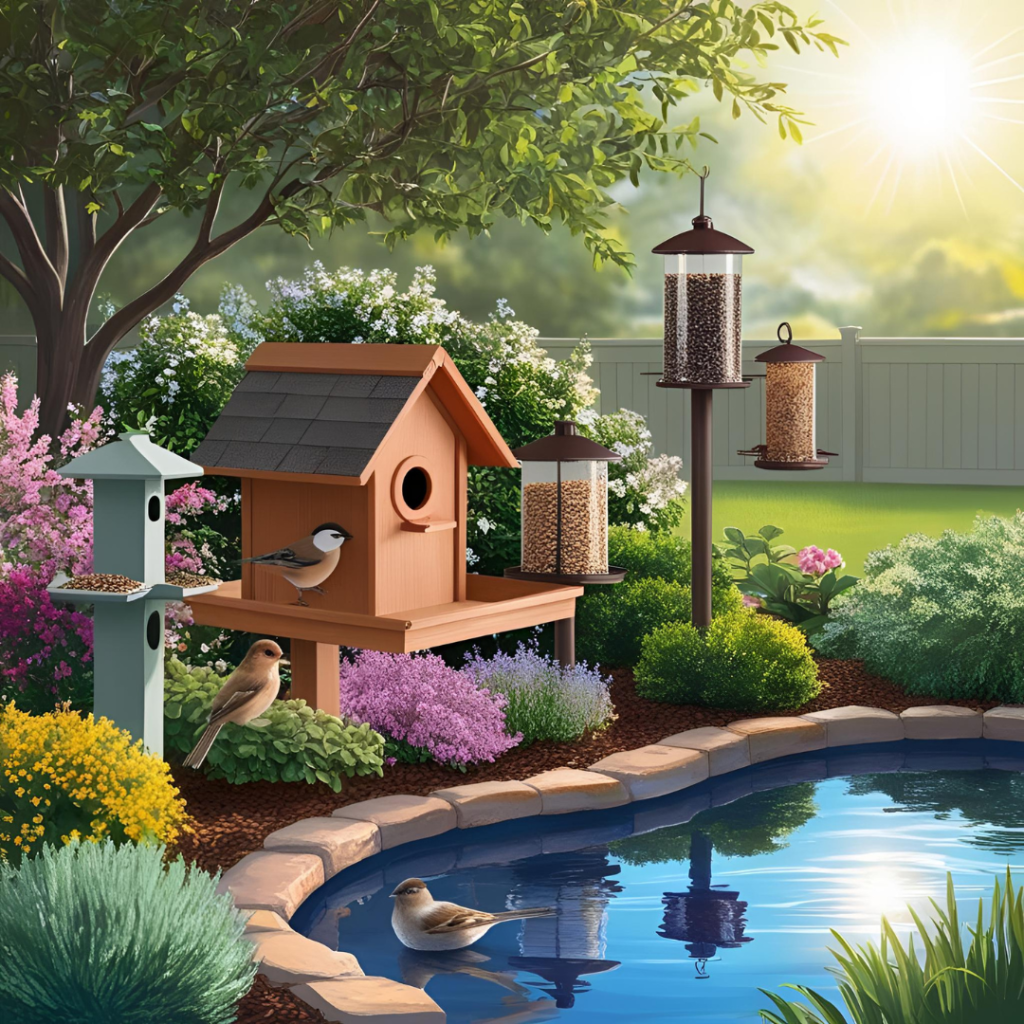
Have you ever looked out your window and wished you could see colorful birds fluttering around your garden? Imagine waking up to sweet chirping sounds, watching tiny wings dance in the sky, and spotting birds feeding, bathing, or building nests. The good news is: turning your backyard into a bird paradise is easier than you might think. By creating a safe, welcoming environment filled with food, water, shelter, and love for nature, your backyard can become a magical place full of bird activity. In this post, we will explore step-by-step how to attract birds to your outdoor space using natural, safe, and enjoyable methods.
1. Understanding Why Birds Visit Gardens
Birds visit places where they find three important things: food, water, and shelter. If your backyard provides these, birds will see it as a friendly place to stop by—or even stay. Some birds are looking for snacks like seeds or fruits, others need a clean place to drink and bathe, and many are searching for trees and bushes to rest in or build nests. By offering what they need, you build a connection with nature and help local wildlife thrive.
2. Start with Bird Feeders
Bird feeders are one of the easiest and most effective ways to attract birds. You can buy a feeder from a shop or make one at home using simple materials like plastic bottles or wooden boxes. Place the feeder in a quiet, shady spot where birds will feel safe. Make sure to clean it regularly to keep it healthy for the birds. Different feeders attract different kinds of birds, so offering a variety of shapes and sizes will bring in many species.
There are three popular types of feeders:
- Tube Feeders: These are long and cylindrical, perfect for small birds like finches and chickadees.
- Platform Feeders: These are flat trays where birds can easily land and eat. They attract doves, cardinals, and jays.
- Suet Feeders: These are used to hold suet cakes, which are rich in fat and great for birds in winter.
3. Choose the Right Bird Food
Feeding birds is not just about tossing seeds on the ground. Different birds like different foods. Here are some great choices:
- Black-oil sunflower seeds: Loved by many birds, including cardinals, sparrows, and finches.
- Nyjer seeds: A favorite of goldfinches and pine siskins.
- Millet: Preferred by doves, juncos, and towhees.
- Fruit pieces: Apples, oranges, and bananas can attract orioles, thrushes, and tanagers.
- Suet: High in fat and perfect for woodpeckers and nuthatches, especially in colder months.
Make sure to keep food fresh and dry. Wet or moldy food can make birds sick. Use covered feeders or place them under a roofed area during rainy weather.
4. Provide Fresh Water
Just like us, birds need clean water to drink and to bathe. A birdbath is a simple and beautiful way to provide this. It can be a shallow dish placed on a stand, or even a bowl on the ground. Make sure the water is not too deep—1 to 2 inches is enough. Place a few small stones in the bath to give birds a place to stand safely.
Birds also love moving water. Adding a little fountain, dripper, or water mister can make your birdbath even more attractive. The sound and sparkle of running water will catch the attention of flying birds.
5. Grow Bird-Friendly Plants
Natural gardens are the best way to attract birds without doing much work. Plants offer food, shade, and nesting spots. Choose native plants because they match the local environment and attract insects that birds love to eat. Some excellent plant choices include:
- Sunflowers: Produce seeds that birds enjoy.
- Berry bushes: Like elderberry, dogwood, and serviceberry.
- Coneflowers and Black-eyed Susans: Provide seeds and attract pollinators.
- Fruit trees: Like cherry or apple trees.
- Vines and shrubs: Great for nesting and hiding.
By planting a mix of flowers, trees, and shrubs, you create layers in your garden—just like a natural forest. These layers help attract more bird species.
6. Create Safe Spaces
Birds need places to rest, hide, and build nests. Tall trees, thick bushes, and vine-covered fences provide excellent shelter. Avoid trimming your garden too often—birds feel safer in places that look a little wild.
You can also add nest boxes or birdhouses. Make sure the size of the entrance hole matches the bird species you want to attract. For example, small holes attract wrens and chickadees, while larger ones may invite bluebirds or woodpeckers.
Place birdhouses in quiet spots, out of reach from pets and away from busy areas. Clean the boxes after each nesting season to keep them safe for next year.
7. Keep It Peaceful and Safe
Birds are sensitive to noise and danger. To help them feel at ease, keep your backyard calm and free of loud music or sudden movements. Keep pets indoors or supervised, especially during nesting season. Cats, even the most lovable ones, are natural hunters and can scare or harm birds.
Avoid using chemical sprays or pesticides. These not only hurt insects (which birds eat) but can also poison the birds themselves. Try natural pest control methods and let your garden grow in a more organic way.
8. Offer Nesting Materials
In spring, many birds are busy building nests. You can help by leaving out safe nesting materials like:
- Dry grass and small twigs.
- Pieces of yarn or string (less than 6 inches).
- Pet hair (if your pet is healthy and not treated with chemicals).
- Feathers or natural cotton.
You can place these materials in a suet feeder or scatter them gently in bushes.
Avoid synthetic materials or anything with plastic. These can be harmful or cause the nest to become too hot or uncomfortable.
9. Welcome All Seasons
Different birds visit at different times of the year. Some are year-round residents, while others only stop by during spring or fall migration. By keeping your backyard bird-friendly all year long, you can enjoy birds in every season.
- Spring: Birds return from migration and start nesting.
- Summer: Babies are learning to fly; birdbaths are very popular.
- Fall: Migrants pass through; add more berries and seeds.
- Winter: Fewer natural foods; suet and seeds are important.
Try to keep food and water available all year round. In cold areas, use a birdbath heater to keep water from freezing.
10. Watch and Learn
Once you set up your backyard, it’s time to enjoy the results. Keep a journal or checklist of the birds you see. Use binoculars or a camera to observe them up close without scaring them. You can even download free bird ID apps to help you learn their names and sounds.
Birdwatching is not just fun; it’s also a great way to learn about nature and develop patience and curiosity. It’s a hobby the whole family can enjoy, and it brings quiet joy to your daily life.
11. Make it a Family Project
Getting children involved in attracting birds can be both educational and entertaining. Help them build a birdhouse, paint a feeder, or plant flowers together. Teach them the names of common birds and encourage them to care for the garden.
Creating a bird-friendly backyard teaches kindness, responsibility, and respect for the natural world. It also gets everyone off screens and into the fresh air.
12. Support Local Birdlife Beyond Your Backyard
While your garden is a wonderful place to start, think about ways to help birds beyond your fence. Support parks, forests, and nature reserves. Reduce plastic use, recycle when possible, and respect bird habitats when visiting the outdoors.
Small actions can have a big effect. The more people care for birds and nature, the better the world becomes—for humans and animals alike.
Final Thoughts
Attracting birds to your backyard is like inviting nature to live with you. It brings color, music, and peaceful moments to your everyday life. By offering food, water, shelter, and love for the environment, you create a safe space where birds can thrive. And in return, they gift you with beauty, joy, and a deeper connection to the world around you.
Whether you’re young or grown-up, a beginner or a nature expert, turning your garden into a feathered wonderland is a rewarding journey. All it takes is a little care, some patience, and a big heart for nature.
So why wait? Start today. Your bird visitors are already flying nearby, just waiting for the right welcome.